Drones have become one of the most talked-about technologies in recent years. From capturing stunning aerial photos to delivering packages and assisting in rescue missions, drones are now used in many aspects of everyday life. But what exactly is a drone, and how does it work?
What Is a Drone?
A drone, also known as an Unmanned Aerial Vehicle (UAV), is a flying device that operates without a human pilot on board. Instead of being controlled from inside, drones are operated remotely by a person using a controller or automatically through pre-programmed flight paths.
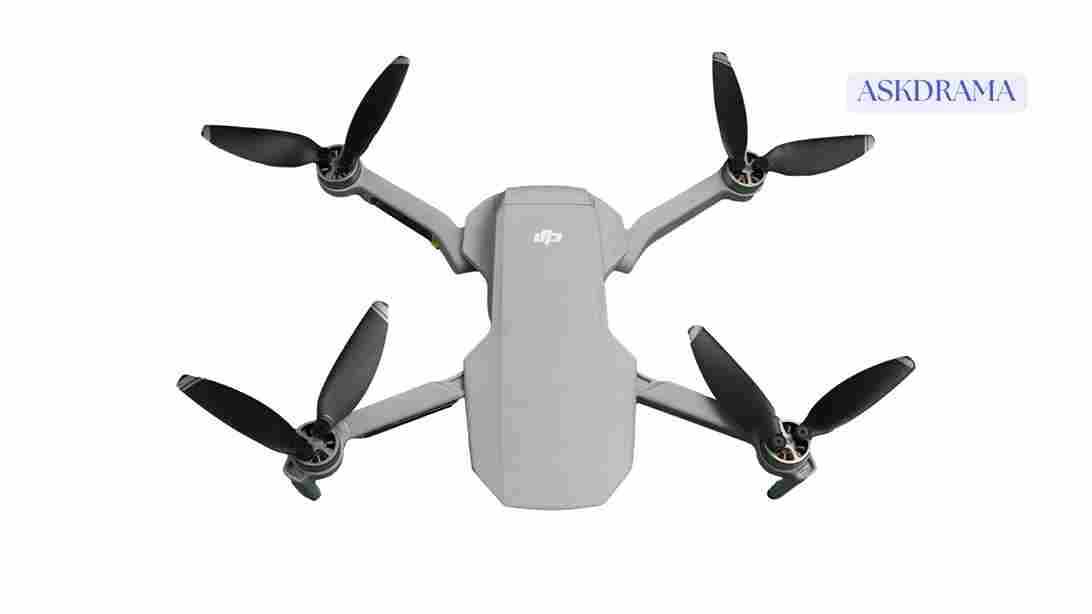
Drones come in many shapes and sizes. Some are small enough to fit in your hand, while others are large and used for military or industrial purposes. The most common type you see today is the quadcopter drone, which has four rotating propellers.
Main Components of a Drone
To understand how drones work, it is important to know their basic parts. Here are the key components:
1. Frame
The frame is the body of the drone. It holds all the components together and determines the drone’s shape and size.
2. Motors
Motors are responsible for spinning the propellers. Each propeller has its own motor, allowing the drone to control movement precisely.
3. Propellers
Propellers generate lift, which allows the drone to fly. When they spin quickly, they push air downward, lifting the drone upward.
4. Battery
Drones are powered by rechargeable batteries. The battery supplies energy to the motors, controller, and other electronic components.
5. Flight Controller
This is the brain of the drone. The flight controller processes data and controls the motors to keep the drone stable and responsive.
6. Sensors
Drones use sensors such as GPS, gyroscopes, and accelerometers to maintain balance, track position, and navigate accurately.
7. Remote Controller
The remote controller is used by the operator to control the drone’s movement. It sends signals to the drone, telling it where to go.
How Does a Drone Work?
At its core, a drone works by combining hardware and software to achieve controlled flight. Here is a simple explanation of how it operates:
1. Lift and Flight
When the drone is powered on, the motors spin the propellers. As the propellers rotate, they push air downward, creating an upward force called lift. When this lift is strong enough to overcome gravity, the drone takes off.
2. Stability and Balance
Drones use sensors to maintain stability. For example, a gyroscope helps the drone stay level, while an accelerometer measures movement. The flight controller constantly adjusts motor speeds to keep the drone balanced.
3. Direction Control
To move in different directions, the drone changes the speed of its propellers. For example:
- To move forward, the back propellers spin faster.
- To move backward, the front propellers spin faster.
- To turn, the motors on one side spin faster than the other.
4. Communication
The drone communicates with the remote controller using radio signals. When you move the joystick, the controller sends instructions to the drone in real-time.
5. GPS Navigation
Many modern drones include GPS systems. This allows them to track their location, return to the starting point automatically, and follow pre-set routes.
Types of Drones
Drones come in different types based on their design and purpose. Here are the most common ones:
1. Consumer Drones
These are used for photography, videography, and personal entertainment. They are easy to use and widely available.
2. Professional Drones
Used by filmmakers, surveyors, and businesses, these drones offer high-quality cameras and advanced features.
3. Racing Drones
Designed for speed and agility, racing drones are used in competitive drone racing events.
4. Military Drones
These are used for surveillance, reconnaissance, and defense operations.
5. Industrial Drones
Used in agriculture, construction, and delivery services, these drones help improve efficiency and reduce human effort.
Common Uses of Drones
Drones are used in many industries today. Here are some of the most popular uses:
1. Aerial Photography and Videography
Drones can capture stunning images and videos from the sky, making them popular among photographers and filmmakers.
2. Delivery Services
Companies are experimenting with drones to deliver packages quickly and efficiently.
3. Agriculture
Farmers use drones to monitor crops, spray fertilizers, and improve productivity.
4. Search and Rescue
Drones can access dangerous or hard-to-reach areas, helping rescue teams find missing people.
5. Inspection and Maintenance
Drones are used to inspect buildings, bridges, and power lines without risking human safety.
Advantages of Drones
- Easy to operate and widely accessible
- Cost-effective compared to traditional aircraft
- Can reach dangerous or remote locations
- Provide high-quality aerial data
Disadvantages of Drones
- Limited battery life
- Privacy concerns
- Weather sensitivity
- Regulations and restrictions in some areas
Are Drones Safe?
Drones are generally safe when used responsibly. However, users must follow local laws and guidelines. Avoid flying near airports, crowds, or restricted areas. Always keep the drone within your line of sight and ensure it is properly maintained.
The Future of Drone Technology
The future of drones looks very promising. With advancements in artificial intelligence, automation, and battery technology, drones are expected to become even more efficient and widely used. We may soon see drones playing a bigger role in transportation, emergency services, and smart cities.
Conclusion
In simple terms, a drone is a flying machine controlled remotely or automatically without a pilot on board. It works by using motors, propellers, sensors, and a flight controller to achieve stable and controlled flight.
Understanding how drones work does not require deep technical knowledge. Once you know the basic components and principles, it becomes much easier to appreciate this fascinating technology.
As drones continue to evolve, they will likely become an even more important part of our daily lives. Whether for fun, business, or innovation, drones are here to stay.