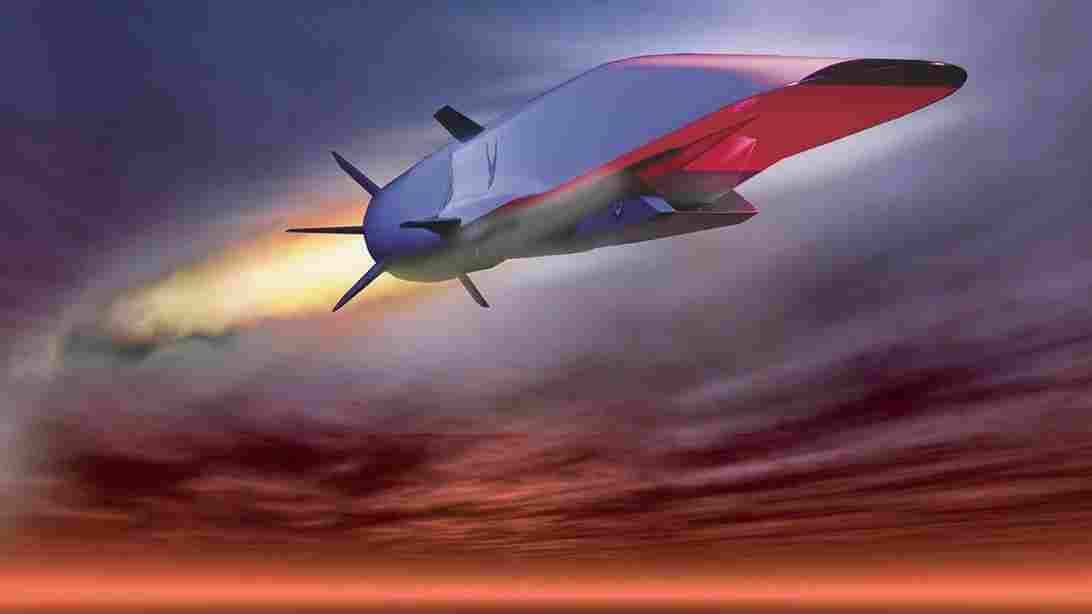
Understanding Autonomous Systems
Autonomous systems are engineered technologies that can sense their environment, process information, make decisions, and act accordingly without continuous human control. These systems rely on a combination of artificial intelligence (AI), machine learning, sensors, and advanced control algorithms to operate independently.
Unlike automated systems, which follow predefined rules, autonomous systems are adaptive. They can learn from data, improve performance over time, and respond dynamically to changing environments. This adaptability is what makes them particularly powerful—and complex.
Core Technologies Behind Autonomy
The development of autonomous systems depends on the integration of several advanced engineering domains:
- Sensors and Perception: Cameras, LiDAR, radar, and ultrasonic sensors allow systems to perceive their surroundings in real time.
- Artificial Intelligence: AI algorithms enable systems to interpret data, recognize patterns, and make decisions.
- Machine Learning: Systems improve performance through experience by analyzing large datasets.
- Control Systems: These ensure precise movement and response based on decision outputs.
- Connectivity: Communication with other devices and networks enhances coordination and efficiency.
The seamless integration of these technologies is critical for achieving reliable and safe autonomous operation.
Autonomous Vehicles: Leading the Transformation
One of the most prominent applications of autonomous systems is in transportation. Self-driving cars, trucks, and buses are being developed to reduce accidents, improve traffic flow, and increase mobility for individuals who cannot drive.
These vehicles use a combination of sensors and AI to detect obstacles, interpret traffic signals, and navigate complex road conditions. Major technology companies and automotive manufacturers are investing billions into this space, aiming to bring fully autonomous vehicles to market.
While progress has been significant, challenges such as regulatory approval, public trust, and edge-case scenarios still need to be addressed before widespread adoption becomes a reality.
Industrial Automation and Robotics
Autonomous systems are revolutionizing manufacturing and logistics. In modern factories, robots perform tasks such as assembly, welding, and quality inspection with high precision and consistency.
In warehouses, autonomous mobile robots (AMRs) move goods efficiently, reducing labor costs and increasing productivity. Companies are leveraging these systems to meet growing demands in e-commerce and global supply chains.
The integration of autonomy in industry not only enhances efficiency but also improves workplace safety by reducing human exposure to hazardous environments.
Autonomous Drones and Aerial Systems
Drones are another key area where autonomous systems are making a significant impact. From aerial photography and surveillance to agriculture and disaster response, drones offer versatile and cost-effective solutions.
Autonomous drones can navigate complex terrains, avoid obstacles, and perform tasks with minimal human input. In agriculture, for example, drones monitor crop health, optimize irrigation, and even assist in planting.
As regulations evolve, the use of drones for delivery services and urban mobility is expected to expand, opening new opportunities for innovation.
Ethical and Safety Considerations
The rise of autonomous systems brings important ethical and safety challenges. Questions arise about decision-making in critical situations, accountability in case of failures, and the impact on employment.
Engineers must design systems that prioritize safety, transparency, and fairness. This includes developing robust testing frameworks, fail-safe mechanisms, and ethical guidelines for AI behavior.
Public trust is essential for the success of autonomous technologies. Clear communication, regulatory oversight, and responsible innovation will play key roles in building that trust.
Challenges in Engineering Autonomous Systems
Despite rapid advancements, several challenges remain:
- Complex Environments: Real-world scenarios are unpredictable and difficult to model.
- Data Dependency: High-quality data is required for training and validation.
- Cybersecurity Risks: Autonomous systems are vulnerable to hacking and data breaches.
- Regulatory Barriers: Laws and standards are still catching up with technological advancements.
Overcoming these challenges will require interdisciplinary collaboration and continuous innovation.
The Future of Autonomous Engineering
The future of autonomous systems is incredibly promising. As technology continues to mature, we can expect increased integration across various sectors, including healthcare, transportation, defense, and smart cities.
Emerging trends include:
- Fully autonomous public transportation systems
- Collaborative robots working alongside humans
- Autonomous ships and aircraft
- AI-driven infrastructure management
These advancements will not only improve efficiency but also redefine how humans interact with machines in everyday life.
Conclusion
Autonomous systems represent a major milestone in the evolution of engineering. By combining intelligence, adaptability, and precision, these technologies are paving the way for a driverless future that is safer, more efficient, and highly interconnected.
While challenges remain, the ongoing progress in this field highlights the incredible potential of human ingenuity. As engineers continue to push the boundaries of what is possible, autonomous systems will undoubtedly become an integral part of the technological landscape.