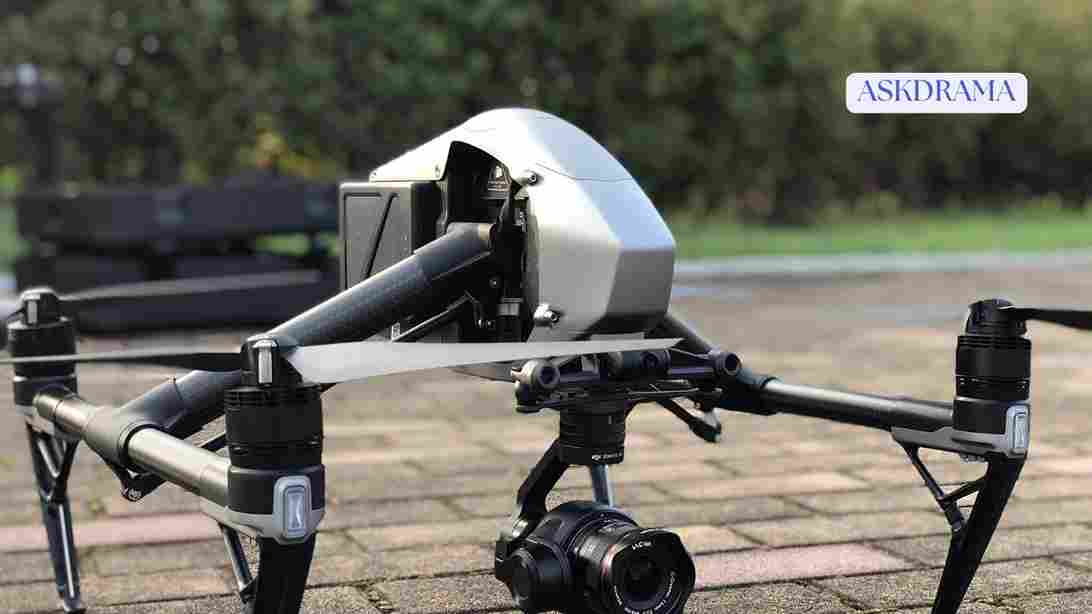
If you’re new to drones, you’ve probably come across technical terms that can feel confusing or overwhelming. Words like “gimbal,” “GPS positioning,” or “return-to-home” are commonly used, but not always clearly explained for beginners.
Why Learning Drone Terminology Matters
Knowing the correct terms helps you:
- Understand your drone’s features
- Follow tutorials and guides easily
- Communicate with other drone pilots
- Make smarter buying decisions
Let’s explore the key terms every beginner should know.
Basic Drone Terms
1. UAV (Unmanned Aerial Vehicle)
UAV is the technical term for a drone. It refers to any aircraft that operates without a human pilot onboard.
2. Quadcopter
A quadcopter is a type of drone with four motors and four propellers. This is the most common design for consumer drones.
3. Multirotor
This term refers to drones with multiple rotors. Examples include quadcopters (4 rotors), hexacopters (6), and octocopters (8).
4. FPV (First Person View)
FPV allows you to see what the drone’s camera sees in real time, usually through a smartphone or goggles.
Flight Control Terms
5. Throttle
Controls the drone’s altitude. Increasing throttle makes the drone go up, while decreasing it brings the drone down.
6. Yaw
Refers to the rotation of the drone left or right without changing its position.
7. Pitch
Controls forward and backward movement.
8. Roll
Controls side-to-side movement.
These four controls are essential for flying any drone.
Navigation and Positioning Terms
9. GPS (Global Positioning System)
GPS helps the drone determine its location and maintain stable positioning.
10. GLONASS
An alternative satellite navigation system that works alongside GPS for improved accuracy.
11. Return-to-Home (RTH)
A safety feature that automatically brings the drone back to its takeoff point.
12. Waypoints
Pre-set locations that a drone can follow automatically during flight.
Camera and Video Terms
13. Gimbal
A stabilization device that keeps the camera steady, even when the drone is moving.
14. Field of View (FOV)
The extent of the observable area captured by the camera lens.
15. Frame Rate (FPS)
Frames per second. Higher FPS results in smoother video.
16. Resolution
The quality of the video or image, such as 1080p or 4K.
Drone Hardware Terms
17. Flight Controller
The “brain” of the drone that processes commands and stabilizes flight.
18. ESC (Electronic Speed Controller)
Controls the speed of each motor based on input from the flight controller.
19. Brushless Motor
A type of motor commonly used in drones for better efficiency and durability.
20. Propellers
Rotating blades that generate lift and keep the drone airborne.
21. LiPo Battery
Lithium Polymer battery used to power most drones.
Safety and Flight Features
22. Obstacle Avoidance
A feature that uses sensors to detect and avoid obstacles automatically.
23. Geofencing
A virtual boundary that prevents drones from entering restricted areas.
24. Altitude Hold
Allows the drone to maintain a constant height without manual input.
25. Headless Mode
A beginner-friendly mode where the drone moves based on the controller’s direction rather than its orientation.
Signal and Communication Terms
26. Transmitter
The remote controller used to send commands to the drone.
27. Receiver
The component inside the drone that receives signals from the transmitter.
28. Frequency (GHz)
The communication frequency between the drone and controller, commonly 2.4GHz or 5.8GHz.
29. Range
The maximum distance the drone can fly while maintaining connection.
Performance Terms
30. Flight Time
The duration a drone can stay airborne on a single battery charge.
31. Payload
The weight a drone can carry, including cameras or additional equipment.
32. Wind Resistance
The drone’s ability to remain stable in windy conditions.
Advanced Drone Terms
33. Follow Me Mode
A feature that allows the drone to automatically follow a subject.
34. Orbit Mode
The drone circles around a specific object while recording.
35. FPV Goggles
Wearable devices that provide an immersive first-person view experience.
36. AI Tracking
Uses artificial intelligence to track and follow objects automatically.
Common Beginner Confusions
Some terms can be easily misunderstood:
- Altitude vs Height: Altitude refers to height above sea level, while height is relative to the ground.
- Range vs Flight Time: Range is distance, while flight time is duration.
- GPS vs RTH: GPS provides location, while RTH uses GPS to return the drone.
Tips for Learning Drone Terminology
Here are some tips to help you remember these terms:
- Practice flying while learning terms
- Watch beginner tutorials
- Read your drone’s manual
- Join drone communities
The more you use these terms, the easier they become.
Conclusion
Understanding drone terminology is one of the most important steps for any beginner. It not only helps you operate your drone more effectively but also ensures safer and more enjoyable flights.
In 2026, drones are more advanced than ever, but learning the basics will always give you a strong foundation. By mastering these essential terms, you’ll be better prepared to explore the full potential of drone technology.
Take your time, keep learning, and soon these terms will become second nature as you grow into a confident drone pilot.