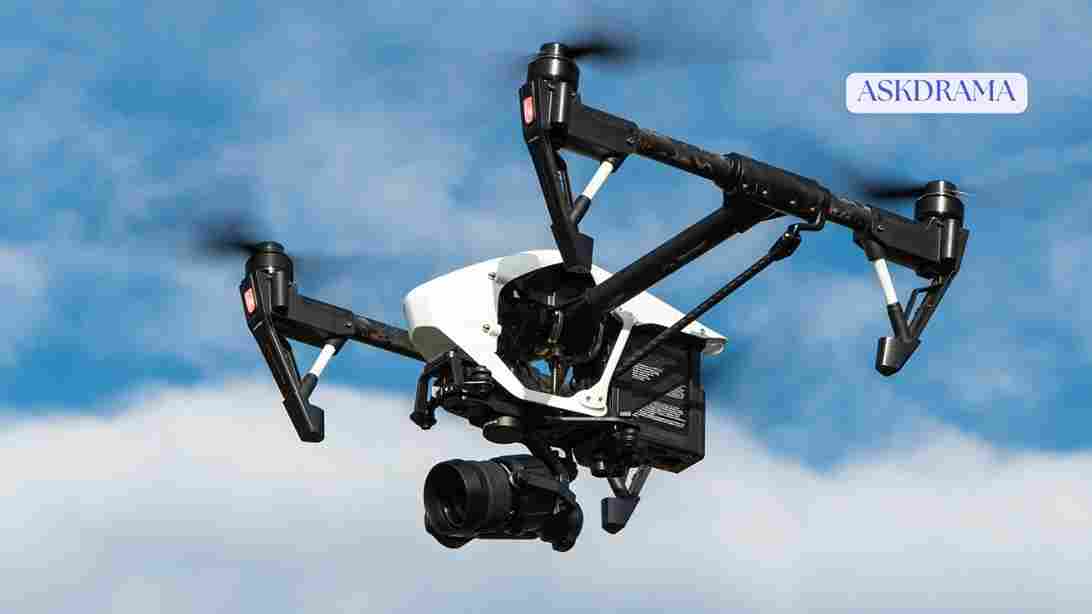
Drones have become increasingly popular in recent years, whether for photography, videography, recreation, or professional use. But if you’re new to drones, understanding how they actually work can feel overwhelming. The good news is that once you break a drone down into its core components, everything becomes much easier to understand.
What Is a Drone Made Of?
A drone is a combination of mechanical, electronic, and software systems working together. Each part plays a crucial role in ensuring stable flight, control, and performance.
Let’s take a closer look at the main components of a typical consumer drone.
1. Frame: The Structure of the Drone
The frame is the physical body of the drone. It holds all components together and determines the drone’s size, shape, and durability.
Most drones use lightweight materials such as plastic, aluminum, or carbon fiber. A strong frame ensures stability during flight and protects internal components from damage.
Frames come in different configurations, but the most common type is the quadcopter, which has four arms extending outward.
2. Motors: Powering the Drone
Motors are responsible for spinning the propellers and generating lift. Most drones use brushless motors because they are more efficient, durable, and powerful.
Each motor works independently, allowing the drone to move in different directions. By increasing or decreasing the speed of specific motors, the drone can:
- Ascend or descend
- Rotate left or right
- Move forward, backward, or sideways
3. Propellers: Creating Lift
Propellers are attached to the motors and are essential for flight. When they spin, they push air downward, creating an upward force called lift.
Most drones have two types of propellers:
- Clockwise (CW)
- Counterclockwise (CCW)
This design keeps the drone stable and prevents it from spinning uncontrollably.
4. Electronic Speed Controllers (ESCs)
The ESC regulates the speed of each motor. It receives signals from the flight controller and adjusts motor speed accordingly.
Without ESCs, the drone wouldn’t be able to respond to your commands smoothly. These components are essential for precise control and stability.
5. Flight Controller: The Brain of the Drone
The flight controller is one of the most important parts of a drone. It acts as the brain, processing data from sensors and translating your commands into movement.
It ensures that the drone remains stable in the air by constantly adjusting motor speeds.
Modern flight controllers include advanced features such as:
- Auto-hover
- GPS positioning
- Return-to-home (RTH)
- Flight stabilization
6. Battery: The Power Source
Drones are powered by rechargeable lithium-polymer (LiPo) batteries. These batteries provide the energy needed to run motors, electronics, and cameras.
Key factors to consider:
- Capacity (mAh): Determines flight time
- Voltage: Affects power output
- Discharge rate: Impacts performance
Most consumer drones offer flight times between 15 and 40 minutes.
7. GPS Module: Navigation and Positioning
The GPS module allows the drone to determine its location. This enables advanced features such as:
- Position hold
- Waypoint navigation
- Return-to-home function
GPS makes flying easier and safer, especially for beginners.
8. Sensors: Keeping the Drone Stable
Drones rely on multiple sensors to maintain stability and avoid obstacles.
Common sensors include:
- Gyroscope: Detects rotation
- Accelerometer: Measures movement and tilt
- Barometer: Measures altitude
- Obstacle sensors: Detect nearby objects
These sensors work together to keep the drone balanced and responsive.
9. Camera and Gimbal
Many drones come with built-in cameras for capturing photos and videos. The camera is often mounted on a gimbal, which stabilizes footage.
A gimbal reduces vibrations and ensures smooth video, even when the drone is moving.
Camera quality varies depending on the drone, ranging from basic HD to professional 4K and beyond.
10. Transmitter (Controller)
The transmitter, or remote controller, is what you use to control the drone. It sends signals to the drone, allowing you to:
- Adjust altitude and direction
- Control the camera
- Activate flight modes
Some drones can also be controlled via smartphone apps.
11. Receiver: Communication System
The receiver is located inside the drone and receives signals from the controller. It ensures that commands are executed in real time.
A strong connection between the transmitter and receiver is essential for safe flying.
12. Antennas: Signal Transmission
Antennas are used for communication between the drone and the controller. They also support video transmission for live camera feeds.
Better antennas improve range and signal stability.
How All Drone Parts Work Together
Understanding individual components is important, but the real magic happens when they work together.
Here’s a simple breakdown:
- You move the controller joystick
- The transmitter sends a signal to the receiver
- The flight controller processes the command
- ESCs adjust motor speeds
- Motors spin propellers to move the drone
- Sensors continuously adjust balance and stability
This entire process happens in milliseconds, allowing smooth and responsive flight.
Why Understanding Drone Parts Matters
Knowing the parts of a drone isn’t just for technical knowledge—it has practical benefits:
- Helps you troubleshoot issues
- Improves flight control skills
- Makes maintenance easier
- Guides you when buying a drone
The more you understand your drone, the more confident and capable you will become as a pilot.
Tips for Beginners
If you’re just starting out, keep these tips in mind:
- Start with a beginner-friendly drone
- Practice in open spaces
- Learn basic controls before advanced features
- Perform regular maintenance checks
Building a strong foundation will make your drone experience more enjoyable.
Conclusion
Drones may seem complex at first, but once you understand their basic parts and functions, everything becomes much clearer. Each component—from the frame and motors to the flight controller and sensors—plays a crucial role in keeping the drone airborne and stable.
In 2026, drone technology continues to evolve, making drones smarter, safer, and easier to use. Whether you’re flying for fun or planning to use drones professionally, understanding these basics is the first step toward mastering the skies.
Take your time to learn, practice regularly, and explore the full potential of your drone.