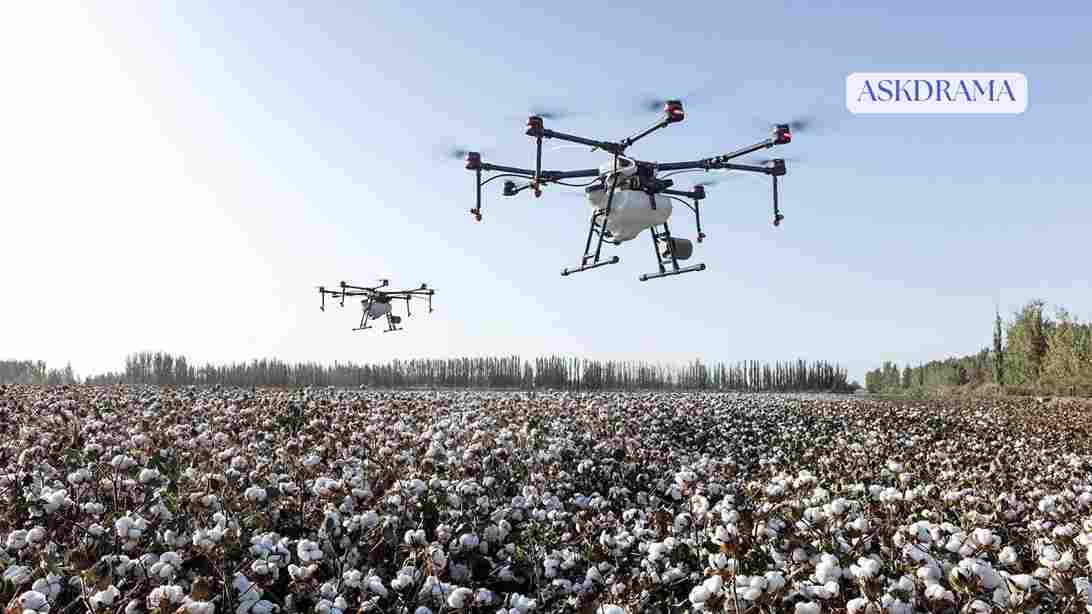
Flying a drone is an exciting experience, especially for beginners who are just getting started in the world of aerial technology. However, without proper knowledge and preparation, it can quickly turn into a frustrating or even dangerous activity. That’s why learning how to fly a drone safely is essential before taking off.
Why Drone Safety Is Important
Drones are powerful flying devices equipped with spinning propellers and advanced technology. While they are fun and useful, improper use can lead to accidents, property damage, or even legal issues.
Understanding drone safety helps you:
- Avoid crashes and costly repairs
- Protect people and property
- Comply with local regulations
- Improve your flying skills faster
Understand Your Drone Before Flying
Before your first flight, take time to understand how your drone works. Read the user manual and familiarize yourself with its features.
Key things to learn:
- Controller layout and button functions
- Battery installation and charging
- Camera controls (if available)
- Flight modes (beginner mode, GPS mode, etc.)
Knowing your drone well will help you react quickly in different situations.
Pre-Flight Safety Checklist
Always perform a pre-flight check before launching your drone. This reduces the risk of technical issues.
- Check battery levels (drone and controller)
- Inspect propellers for damage
- Ensure firmware is updated
- Calibrate compass and GPS if needed
- Confirm strong GPS signal
- Insert memory card (for camera drones)
Skipping these steps is one of the most common mistakes beginners make.
Choose a Safe Flying Location
Where you fly your drone matters a lot. Beginners should always start in a safe, open area.
Ideal locations include:
- Open fields or parks
- Areas far from buildings and trees
- Places away from crowds
Avoid flying near:
- Airports or helipads
- Power lines
- Busy roads
- Restricted or military zones
Choosing the right location greatly reduces the chance of accidents.
Understand Basic Drone Controls
To fly safely, you must master basic controls. Most drones use two joysticks:
- Throttle: Controls altitude (up and down)
- Yaw: Rotates the drone left or right
- Pitch: Moves the drone forward and backward
- Roll: Moves the drone left and right
Practice these controls slowly until you feel comfortable.
Start with Beginner Mode
Most modern drones include a beginner or “safe mode.” This limits speed, altitude, and distance.
Benefits of beginner mode:
- Prevents flying too far away
- Reduces sensitivity of controls
- Helps build confidence gradually
It’s highly recommended to use this mode during your first few flights.
Take Off and Land Carefully
Takeoff and landing are critical moments during flight. Many accidents happen during these phases.
Safe takeoff tips:
- Place the drone on a flat surface
- Ensure no obstacles nearby
- Use one-key takeoff if available
Safe landing tips:
- Descend slowly
- Avoid landing on uneven surfaces
- Watch for dust or debris
Keep Your Drone in Sight
Always maintain visual line of sight (VLOS) with your drone. This means you should be able to see it without relying only on the camera feed.
Why this is important:
- Helps you avoid obstacles
- Improves reaction time
- Required by most drone regulations
Monitor Weather Conditions
Weather plays a big role in drone safety. Beginners should only fly in ideal conditions.
Avoid flying in:
- Strong winds
- Rain or snow
- Fog or low visibility
Calm, clear weather is best for stable flights.
Use Safety Features
Modern drones come with built-in safety features. Make sure to use them:
- Return-to-Home (RTH): Automatically brings the drone back
- Obstacle Avoidance: Detects and avoids obstacles
- Low Battery Warning: Alerts you to land
- Geofencing: Prevents flying in restricted areas
These features can save your drone from crashes.
Follow Drone Laws and Regulations
Drone laws vary by country, but general rules include:
- Do not fly above 120 meters (400 feet)
- Keep distance from people and property
- Do not fly near airports
- Register your drone if required
Always check your local aviation authority for updated rules in 2026.
Avoid Common Beginner Mistakes
Here are some mistakes beginners often make:
- Flying too high too quickly
- Ignoring low battery warnings
- Not calibrating sensors
- Overconfidence after a few flights
Being aware of these mistakes will help you avoid them.
Practice Regularly
Like any skill, drone flying improves with practice. Start with simple movements:
- Hovering in place
- Flying in square patterns
- Practicing smooth turns
Gradually move on to more advanced maneuvers.
Emergency Situations: What to Do
Even with precautions, emergencies can happen. Here’s how to handle them:
- Loss of signal: Activate Return-to-Home
- Low battery: Land immediately
- Strong wind: Bring the drone back slowly
- Obstacle detected: Stop and hover
Staying calm and reacting quickly is key.
Drone Maintenance for Safety
Maintaining your drone ensures safe operation:
- Clean motors and propellers
- Replace damaged parts
- Store batteries properly
- Keep firmware updated
A well-maintained drone is less likely to fail during flight.
Conclusion
Flying a drone safely as a beginner is all about preparation, awareness, and practice. By understanding your drone, choosing the right location, and following safety guidelines, you can enjoy a smooth and risk-free flying experience.
In 2026, drones are more advanced and accessible than ever, but safety should always come first. Take your time to learn, start slow, and gradually build your confidence.
With the right approach, you’ll not only protect your drone but also become a skilled and responsible drone pilot.