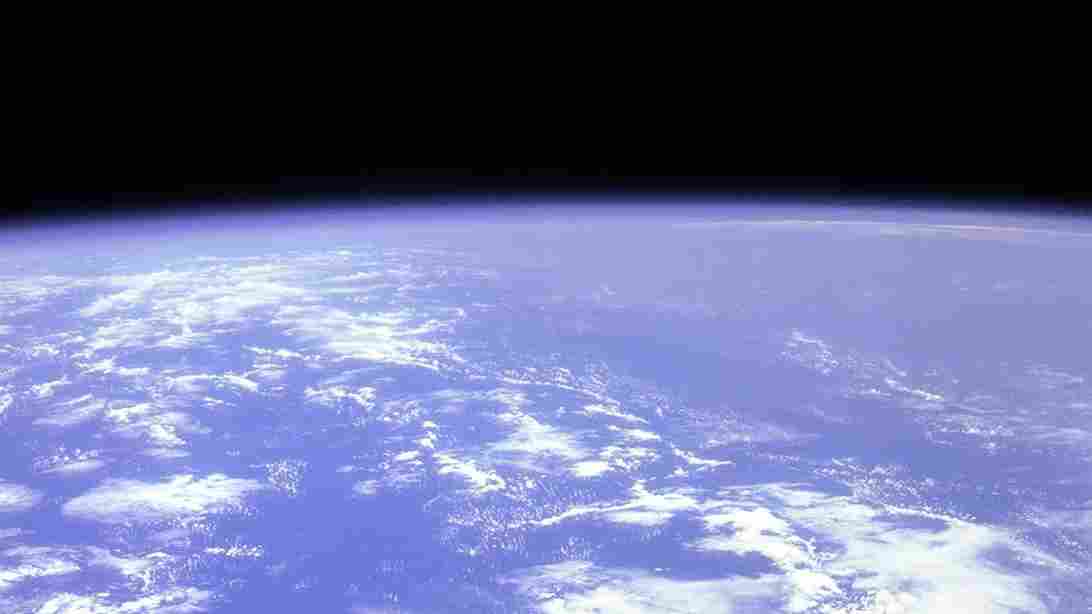
Space has always captured human imagination. From ancient stargazers to modern scientists, the desire to explore beyond Earth has driven innovation and discovery. Today, space engineering stands at the forefront of this ambition, transforming what was once science fiction into reality. With rapid advancements in technology, humanity is closer than ever to establishing a sustainable presence beyond our planet.
The Evolution of Space Engineering
The journey of space engineering began in the mid-20th century during the space race. Early missions focused on launching satellites and sending humans into orbit. These achievements laid the foundation for modern space exploration.
Over time, technological advancements have significantly improved the capabilities of space systems. Modern spacecraft are equipped with advanced navigation, communication, and propulsion technologies, allowing for more complex and ambitious missions.
Today, space engineering is no longer limited to government agencies. Private companies are playing a major role, driving innovation and reducing costs through competition and new business models.
Reusable Rocket Technology
One of the most significant breakthroughs in space engineering is the development of reusable rockets. Traditionally, rockets were single-use, making space missions extremely expensive. Reusable rocket technology has changed this paradigm by allowing key components to be recovered and used multiple times.
This innovation has dramatically reduced the cost of launching payloads into space. Engineers have developed advanced landing systems, propulsion controls, and materials that can withstand the extreme conditions of launch and re-entry.
The ability to reuse rockets is not only cost-effective but also environmentally beneficial, as it reduces the amount of waste generated by space missions.
Satellite Technology and Global Connectivity
Satellites are one of the most practical applications of space engineering. They play a crucial role in communication, navigation, weather forecasting, and Earth observation.
Recent advancements have led to the development of small satellites, or CubeSats, which are more affordable and easier to deploy. These satellites enable a wide range of applications, from scientific research to global internet coverage.
Mega-constellations of satellites are being deployed to provide high-speed internet access worldwide, bridging the digital divide and connecting remote regions.
Space Habitats and Human Exploration
As space exploration advances, the focus is shifting from short-term missions to long-term habitation. Engineers are developing space habitats that can support human life for extended periods.
These habitats must address challenges such as radiation exposure, microgravity, and limited resources. Advanced life support systems, including air recycling, water purification, and food production, are essential for sustaining life in space.
Future missions to the Moon and Mars will rely on these technologies, paving the way for permanent human settlements beyond Earth.
Advanced Propulsion Systems
Traditional chemical rockets are powerful but limited in efficiency. To explore deeper into space, engineers are developing advanced propulsion systems that offer greater speed and fuel efficiency.
Technologies such as ion propulsion and nuclear thermal propulsion are being explored for long-duration missions. These systems can significantly reduce travel time, making missions to distant planets more feasible.
Innovations in propulsion are critical for the future of space exploration, enabling humanity to reach previously inaccessible destinations.
Robotics and Autonomous Systems
Robotics plays a vital role in space engineering, particularly in missions that are too dangerous or impractical for humans. Robotic systems are used for exploration, construction, and maintenance in space environments.
Autonomous rovers, for example, have been used to explore the surface of Mars, collecting valuable data and images. These robots are equipped with advanced sensors and artificial intelligence, allowing them to operate independently in harsh conditions.
In the future, robots may be used to build infrastructure on other planets, preparing the way for human arrival.
Space Manufacturing and Resource Utilization
One of the most exciting areas of space engineering is in-space manufacturing. Microgravity conditions allow for the production of materials and products that are difficult or impossible to create on Earth.
Engineers are also exploring the use of space resources, such as mining asteroids for valuable materials. This concept, known as in-situ resource utilization (ISRU), could reduce the need to transport resources from Earth, making space missions more sustainable.
These innovations have the potential to create new industries and economic opportunities beyond our planet.
Challenges in Space Engineering
Despite its many advancements, space engineering faces significant challenges. The harsh environment of space, including extreme temperatures, radiation, and vacuum conditions, presents unique engineering obstacles.
Cost remains another major barrier. Although reusable technologies have reduced expenses, space missions still require substantial investment. Collaboration between governments and private companies is essential to share resources and expertise.
Additionally, space debris is becoming an increasing concern. Engineers must develop strategies to manage and reduce debris to ensure the safety of future missions.
The Future of Space Engineering
The future of space engineering is filled with possibilities. Plans for lunar bases, Mars colonization, and deep-space exploration are already underway. Advances in artificial intelligence, materials science, and energy systems will further accelerate progress.
Commercial space travel is also becoming a reality, opening up new opportunities for tourism and research. As technology continues to evolve, space will become more accessible to a wider range of people and organizations.
Ultimately, space engineering will play a crucial role in shaping humanity’s future, offering solutions to challenges on Earth while expanding our horizons beyond it.
Conclusion
Space engineering is transforming the dream of space exploration into a tangible reality. Through groundbreaking innovations in rockets, satellites, habitats, and propulsion systems, engineers are building the foundation for a future beyond Earth.
While challenges remain, the progress made so far demonstrates the incredible potential of this field. By continuing to invest in research and collaboration, humanity can unlock new frontiers and create a sustainable presence in space.
As we look to the stars, space engineering reminds us that the possibilities are limitless—and the journey has only just begun.